Time to Get Stoned
The war on drugs and how it violates human rights

When a handful of high school students from California began their treasure hunt for an abandoned cannabis crop in 1971, who would’ve guessed that they’d be coining a term that would one day bring together cannabis consumers from all over the world? The Waldos, a group of five male students who came up with this creative name because they used to hang out by a wall outside their school, designated 4.20pm to be their meeting time to smoke weed. “4:20” thus soon became a code-word for consuming cannabis, and today, 4/20 (April 20th) is a day to celebrate cannabis and push for its decriminalization through civil disobedience.
Stereotypes of cannabis smokers go back much further than hippies or rebelling university students. The US first pushed for the criminalization of the drug because the primary users were minorities. Harry Anslinger, the head of the Federal Bureau of Narcotics, stated that marijuana smokers were primarily “Negroes, Hispanics, Filipinos and entertainers”. The primary target were Mexicans, as most white Americans were introduced to the drug by Mexican immigrants. Demonizing the drug allowed for stricter policing against this group, so Marijuana smokers were depicted as violent and dangerous.
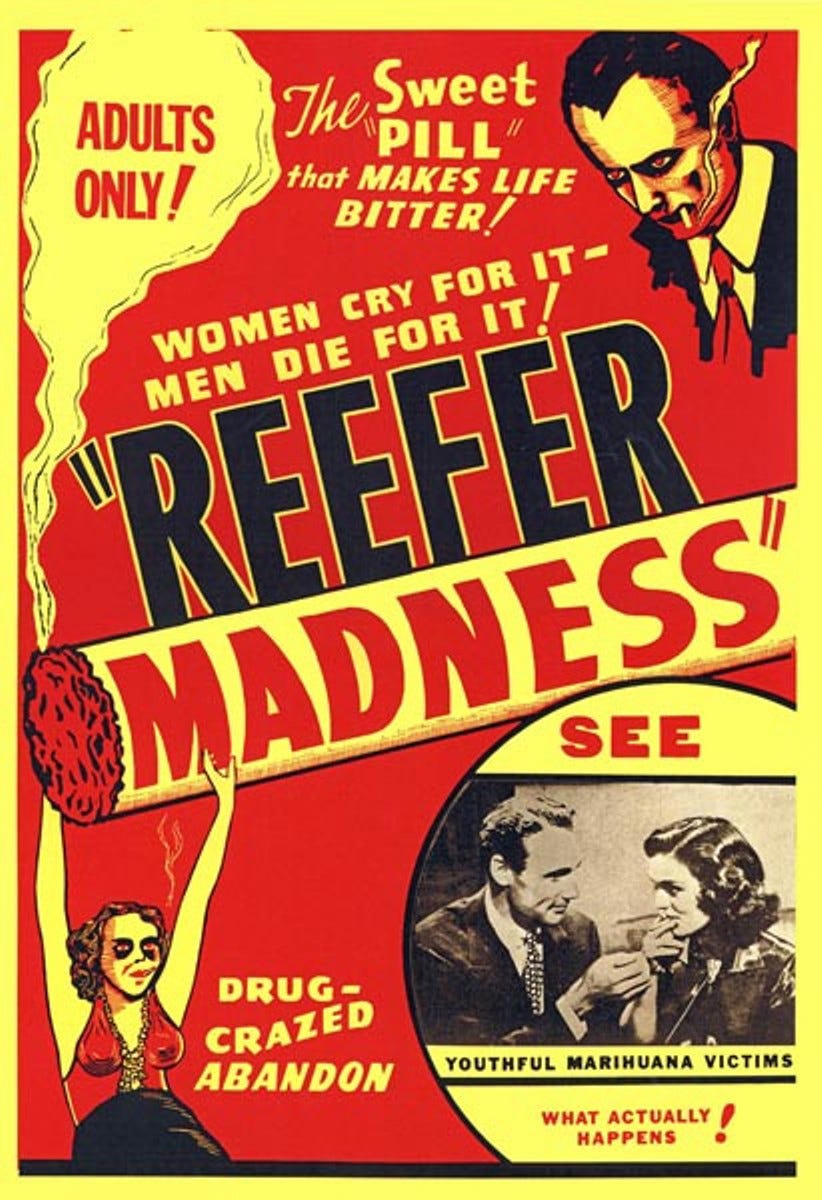
.jpg)
The criminalization of marijuana became supercharged in 1961 with the Single Convention on Narcotic Drugs. This international treaty placed cannabis in the most restrictive category, treating it the same as heroin and discouraging even medical usage of the drug. The rationale for this wasn’t rigorous science but due to the drug policies of the era. This treaty was negotiated within the United Nations and to date, 186 countries have ratified the treaty.
Internationally, State leaders repeatedly used the rhetoric of fighting drugs as a way to legitimize sanctions, surveillance, and military actions. Trump’s attacks on alleged Venezuelan drug-trafficking boats in the Caribbean Sea are only one deadly example of such acts.
Whether for economic, ideological, or political reasons, the debates around drug control often lead to stigmatization and disproportionate punishments. We want to use this year’s marijuana day to emphasize the importance of rights-based approaches to the issue instead of a blanket criminalization and the discrimination of whole groups of society. Health-first responses such as harm reduction programs respect the rights of the humans at stake and have proven to be far more effective than harsh punishments.
Insightful story!